Harvest Management
- Home /
- Harvest Management
Table of Contents
Consuming Fresh Produce
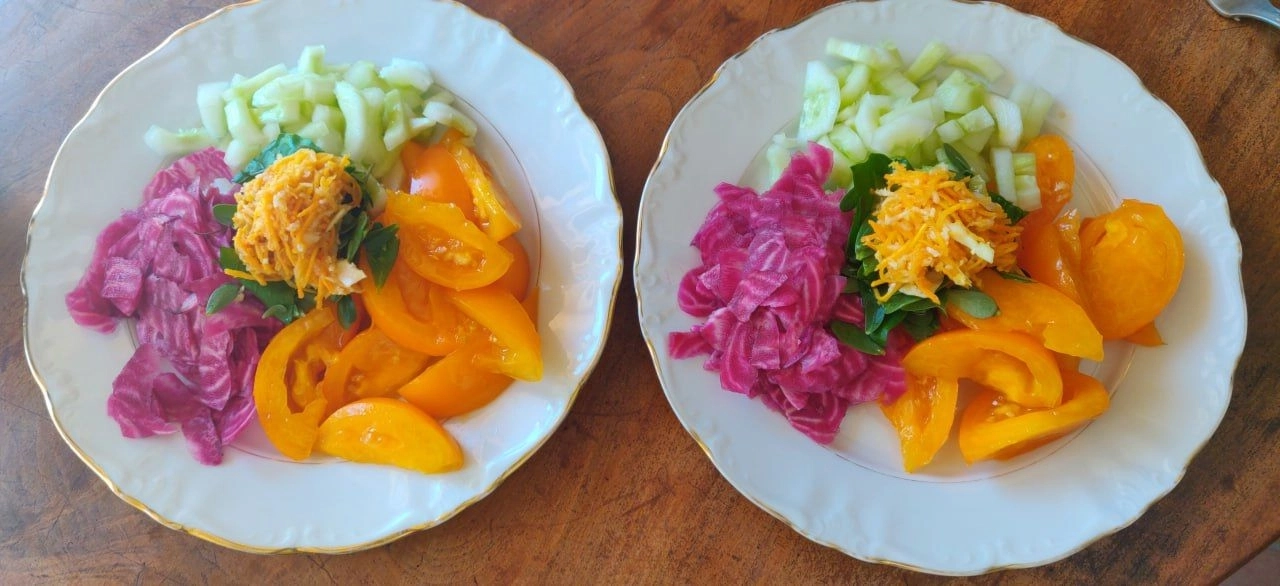
Growing a natural garden opens the door to a healthy, balanced, varied, and appealing diet for everyone.
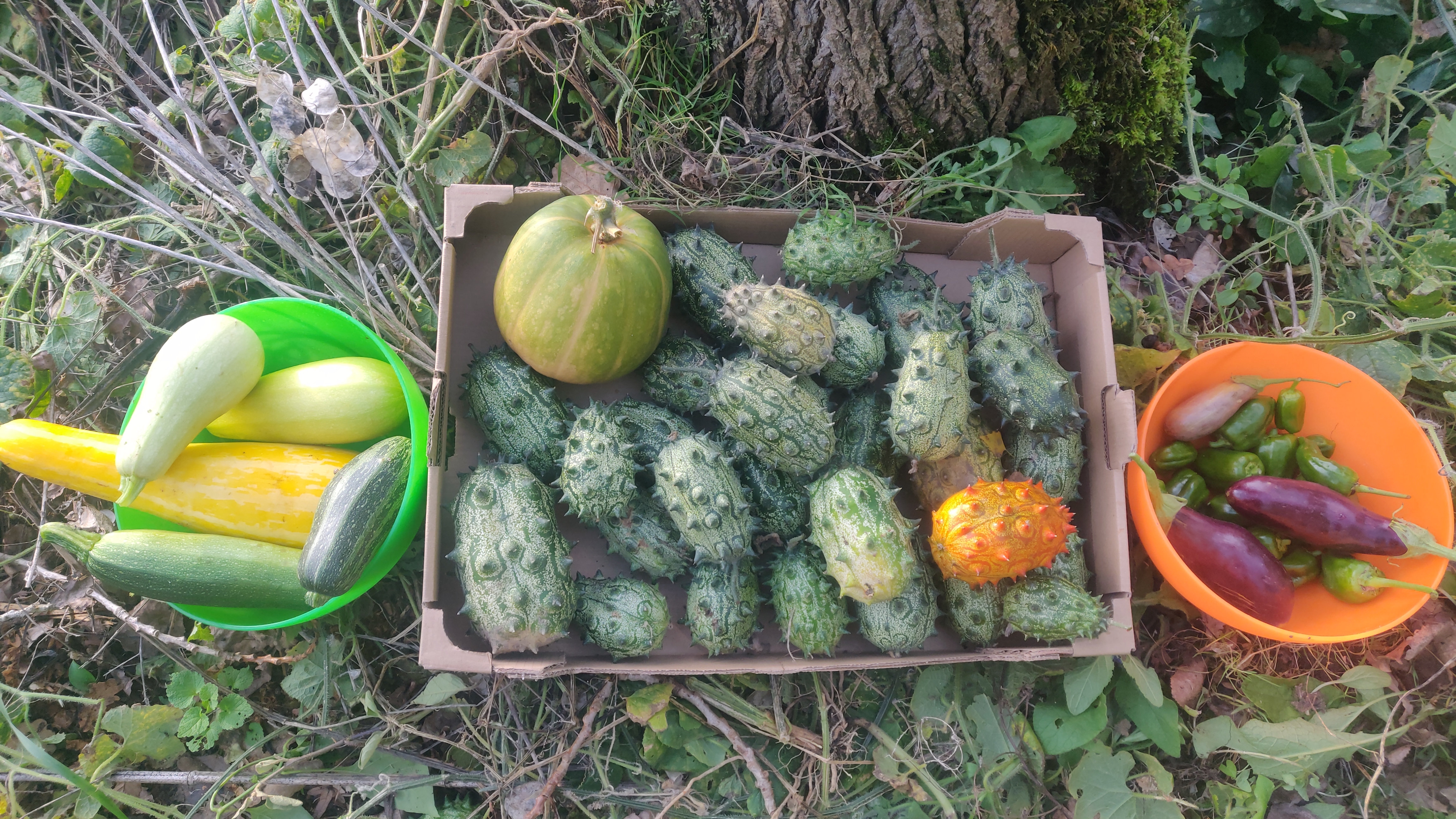
Deep down, we all know that there’s nothing better than having access to fresh produce in every season to meet our nutritional needs.
Storage Areas
Before addressing the actual processing, it is essential to plan for adequate storage space.
Whether for fresh produce in a cellar or for preserves and dried goods in a pantry, there are often overlooked considerations that must be taken into account:
- the volume of storage space in these rooms, which must correspond to the volume of the harvest,
- practical organization using shelves and storage units adapted to the weight,
- the humidity level and temperature of the room, specific to the products that will be stored there,
- easy access for checking the condition of the food and jars,
- adequate ventilation, especially for fresh produce,
- regular checks for the absence of rodents and insects.
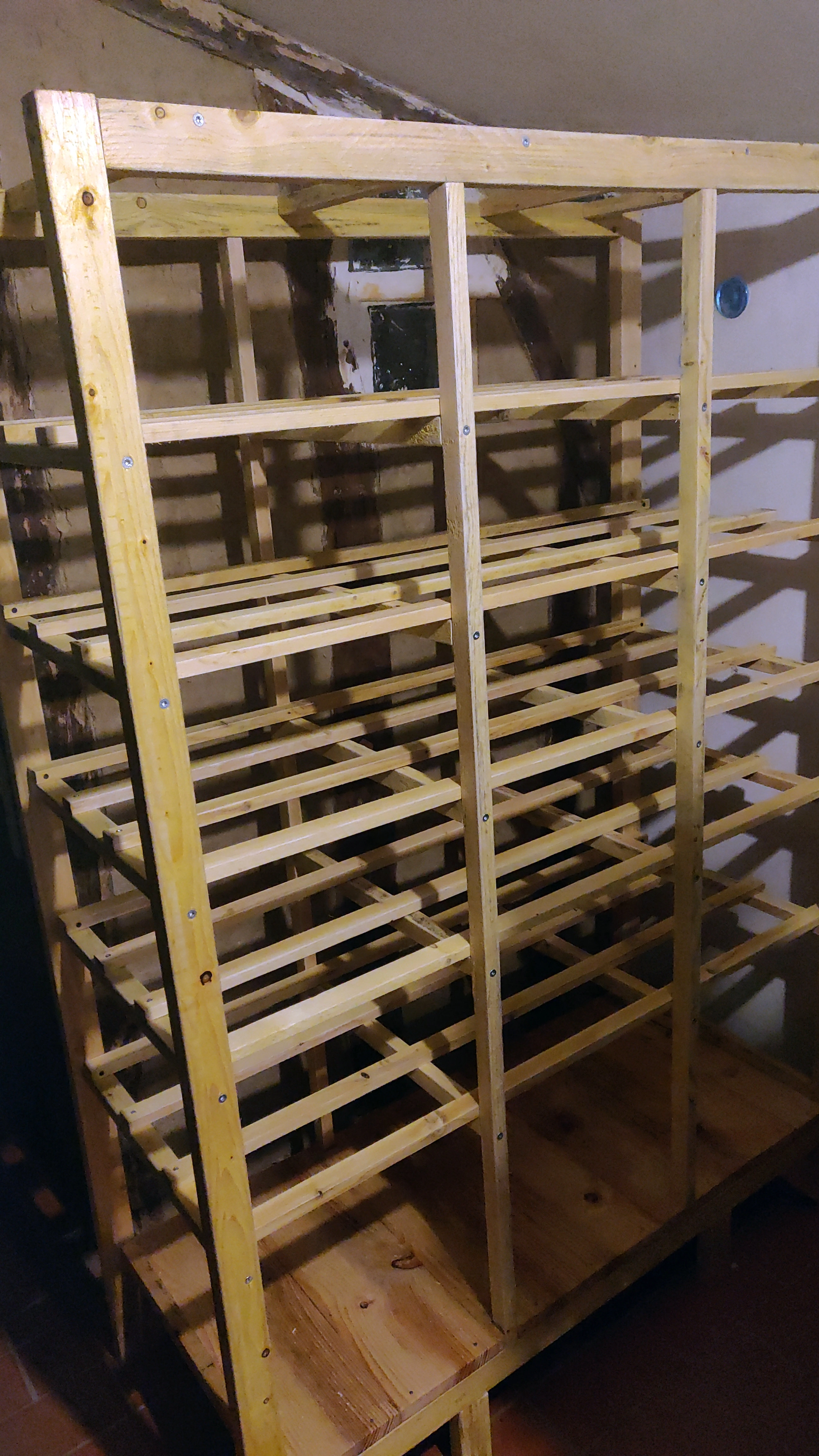
It is useful to build custom storage shelves to save space, based on standard commercial sizes for cardboard boxes and crates that can be easily collected and replaced free of charge.
Preserves & lactofermentation
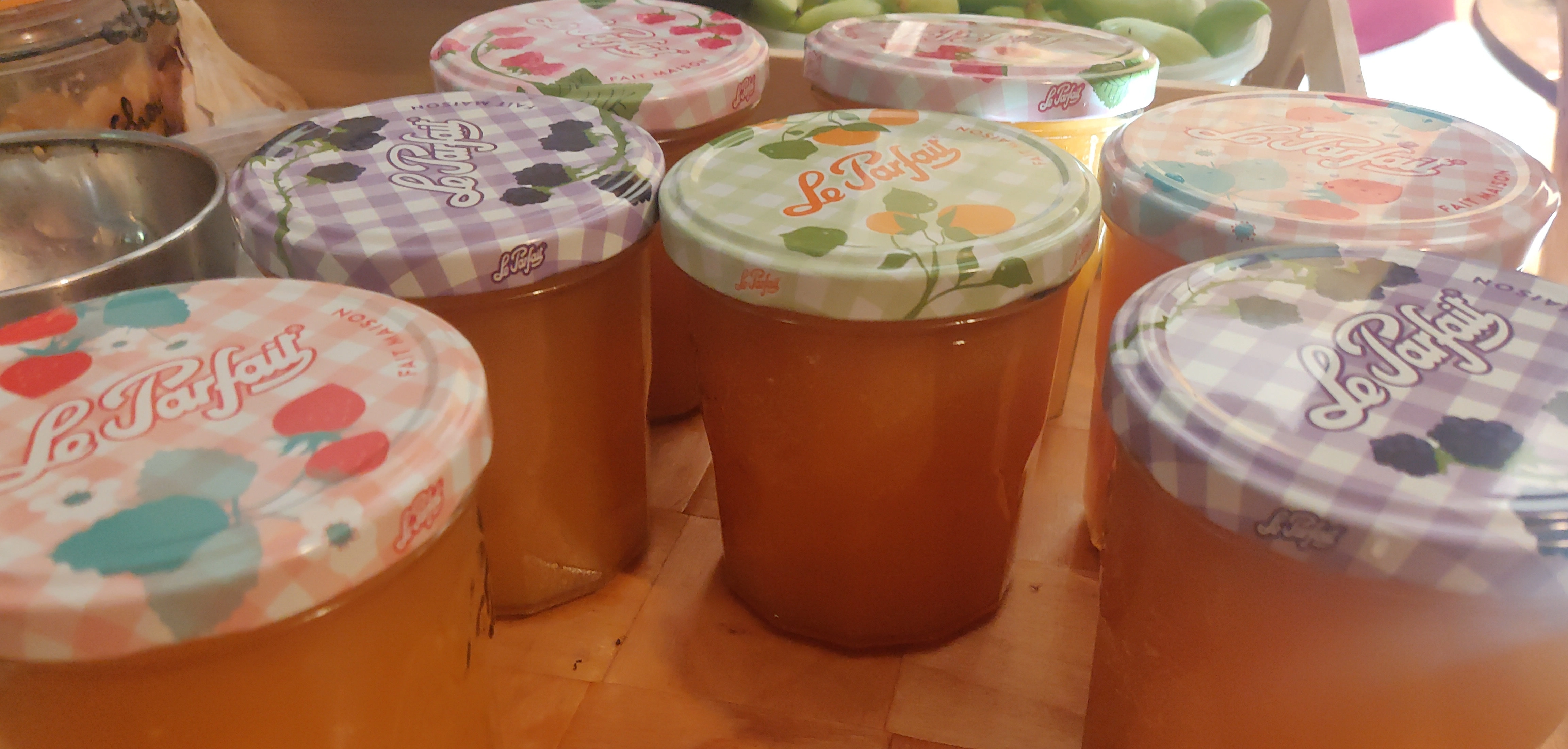
Among the best-known preservation techniques we use:
- Pasteurization for jams and preserved vegetables
- Lacto-fermentation with a saline base allows the development of probiotics, which are beneficial for balancing the gut flora
Drying & Dehydration
Natural Drying and Dehydration
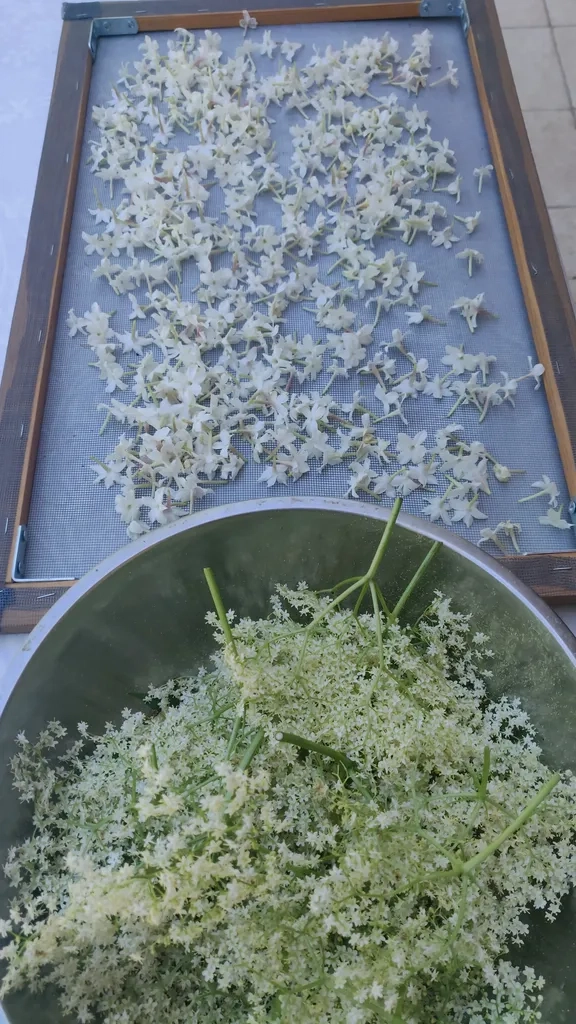
The photo illustrates a natural drying method on a rack that we made ourselves.
This method also works very well with fruit, provided there are several sunny days.
In autumn and winter, hanging drying systems can be used indoors in a heated room or near a stove to Drying aromatic plants and mushrooms.
Electric drying and dehydration
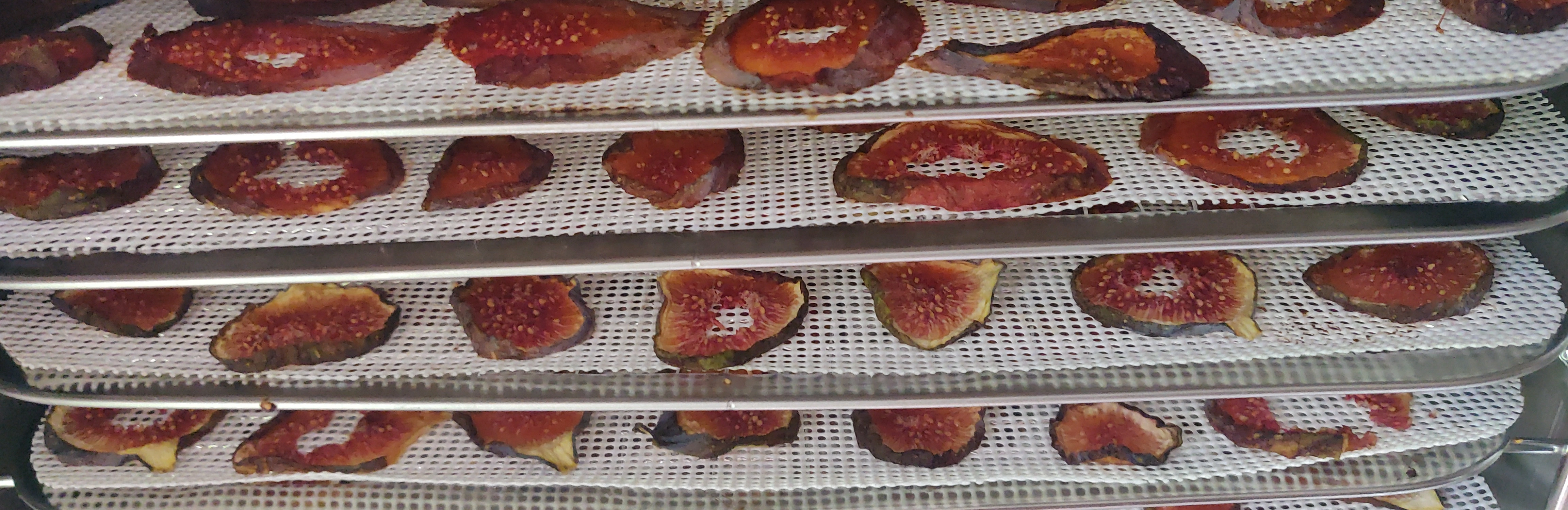
With the weather becoming increasingly unpredictable, it's difficult to rely solely on the sun to do the job. Therefore, to complete the process or to do it when there is no more sun, we recommend using an electric dehydrator.
Ideally, it should have adjustable temperature settings, a timer that can be set for at least 24 hours, and a good-sized fan to circulate air around all the trays.
Such a tool is truly essential if you want to embark on this adventure, as drying food is a very time-consuming process. We recommend slicing them for faster drying.
Transformations into Spices & Herbal Tea Blends
After the drying/dehydration stage, and depending on the crops, we offer numerous varieties of aromatic herbs, spices, and condiments.
Regarding roots, such as turmeric and ginger, which are quite easy to grow in planters, we dry them with a dehydrator or near a heat source and grind them to make extraordinary spices.
We do the same with certain varieties of bell peppers and chili peppers, which are dried and ground to obtain succulent condiments like paprika.
Finally, we make homemade herbal teas by keeping the dried leaves to enjoy their benefits all winter long. As an added bonus, if we dry, for example, violet or mallow flowers, rose petals, etc., we can create blends with verbena or lemongrass from our garden. The possibilities are endless.